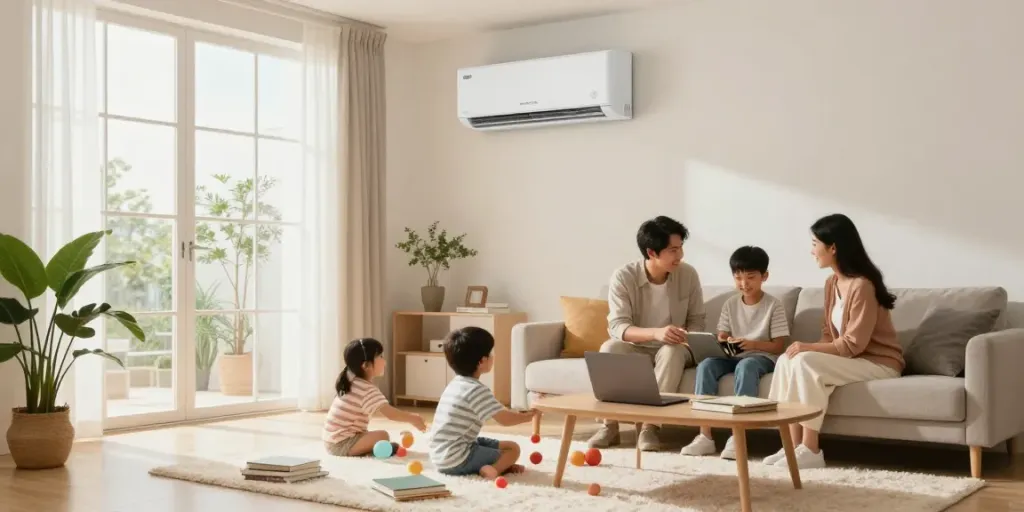
Understanding Mini Split Air Conditioners
As the demand for efficient heating and cooling solutions continues to grow, the mini split air conditioner has emerged as a popular choice for homeowners and businesses alike. These systems provide a versatile alternative to traditional HVAC setups, catering to various space requirements. With their sleek design and advanced technology, mini split air conditioners can significantly enhance indoor comfort while reducing energy costs.
What is a Mini Split Air Conditioner?
A mini split air conditioner is a ductless heating and cooling system that consists of two main components: an outdoor unit and one or more indoor units. Unlike traditional air conditioning systems that use ducts to distribute cool air, mini splits operate independently in each room or zone, providing precise temperature control tailored to individual preferences. This makes them particularly effective for heating and cooling specific spaces within a home, such as bedrooms, home offices, or living rooms.
Key Components of Mini Split Systems
- Outdoor Unit: This component houses the compressor and condenser, which are responsible for releasing heat from the refrigerant.
- Indoor Unit: Typically mounted on a wall or ceiling, these units distribute cool air throughout the room. They come in various styles, including wall-mounted, ceiling-mounted, and floor-mounted options.
- Refrigerant Lines: These lines connect the outdoor and indoor units, allowing refrigerant to flow between them and facilitate the heat exchange process.
- Remote Control: Most mini split systems come with a remote control for easy adjustment of settings such as temperature and fan speed.
How Mini Splits Work: Cooling and Heating
Mini split systems utilize a heat pump technology that can reverse the heating and cooling processes. In cooling mode, the indoor unit absorbs heat from the room and transfers it to the outdoor unit, where it is expelled. In heating mode, the process is reversed: heat is extracted from the outdoor air and brought indoors, ensuring comfort even in colder months.
Benefits of Mini Split Air Conditioners
Energy Efficiency Explained
One of the standout features of mini split air conditioners is their energy efficiency. These systems use inverter technology to adjust the compressor speed based on the cooling needs of the space, resulting in lower energy consumption compared to traditional systems. This energy efficiency not only reduces electricity bills but also lessens environmental impact, making mini splits a sustainable choice for homeowners.
Space-Saving Design Advantages
Mini split systems are designed to be compact and unobtrusive, allowing for flexible installation that doesn't require extensive renovations. The absence of ductwork means they can be installed in spaces where traditional systems cannot fit, making them ideal for small homes, apartments, and even commercial spaces.
Flexible Installation Options for Any Home
With various indoor unit styles available, homeowners can choose options that best match their décor and space constraints. Wall-mounted units are particularly popular, but floor-mounted and ceiling cassette options are also available for unique installations. This flexibility allows for optimal temperature control across multiple zones in a household.
Common Challenges and Misconceptions
Addressing Installation FAQs
Many homeowners worry about the installation process when considering a mini split air conditioner. While installation does require professional expertise due to the refrigerant lines and electrical components, it is generally straightforward and can often be completed in a single day. Proper installation is crucial for achieving the maximum efficiency and lifespan of the system.
Understanding Maintenance Requirements
Maintaining a mini split system is relatively simple. Regular cleaning of the indoor unit’s filters is essential to ensure optimal air flow and efficiency. Additionally, scheduling annual professional maintenance checks can help identify potential issues before they become significant problems, ensuring the longevity of the system.
Debunking Myths About Noise Levels
Concerns about noise levels are common among homeowners considering mini split units. However, modern mini splits are designed to operate quietly, often producing noise levels comparable to a refrigerator. The outdoor units may emit more sound, but they are typically placed away from living spaces, minimizing disruption.
Best Practices for Choosing the Right Unit
Factors to Consider: BTU Ratings and Room Size
When selecting a mini split air conditioner, it is vital to consider the British Thermal Units (BTUs) necessary for the specific room size. A unit with too few BTUs will struggle to cool or heat effectively, while one with too many may lead to energy waste. Consulting a professional can ensure that you choose a system tailored to your needs.
Comparing Brands and Models for 2026
With the ongoing advancements in mini split technology, it’s essential to compare different brands and models based on efficiency ratings, features, and warranty options. Brands such as Mitsubishi and Fujitsu are renowned for their reliability, while newer entrants may offer competitive pricing.
Professional vs. DIY Installation: Pros and Cons
While some homeowners may consider DIY installation to save costs, professional installation is recommended for mini split systems. Professionals ensure that the system is properly configured and compliant with local regulations, which can prevent future issues and maintain warranty coverage.
Future Trends in Mini Split Technology
Smart Home Integration for Enhanced Comfort
As smart home technology advances, mini split air conditioners are beginning to incorporate features that enable users to control their systems via smartphones or home automation devices. This integration allows for more precise temperature management and energy savings, as users can adjust settings remotely.
Eco-Friendly Refrigerants and Energy Standards
Environmental concerns are driving the HVAC industry toward using eco-friendly refrigerants in mini split systems. Newer models are being developed to use refrigerants with lower global warming potential, aligning with regulatory standards and sustainability goals.
The Rise of Multi-Zone Systems in Home Design
Multi-zone mini split air conditioners allow homeowners to customize the temperature in different areas of their homes, providing comfort without excess energy expenditure. This trend is increasingly popular among homeowners looking for efficient solutions to meet the diverse needs of their family.
What Are the Costs of Mini Split Systems?
The cost of a mini split air conditioner can vary widely based on factors such as the brand, model, and installation complexity. On average, homeowners can expect to pay between $2,000 to $7,500 for a complete system, including installation. It’s essential to factor in both the upfront costs and potential energy savings over time when considering a purchase.
How to Install a Mini Split System?
Installing a mini split system involves several steps: choosing the right location for the indoor and outdoor units, drilling holes for refrigerant lines, mounting the indoor unit, connecting the refrigerant lines, and finally testing the system for leaks. Professional assistance is highly recommended for a safe and effective installation.
Are Mini Splits Suitable for All Climates?
Mini split air conditioners are versatile and suitable for a variety of climates, including those with extreme temperatures. Many modern units are designed to operate efficiently even in very low temperatures, making them a viable option for both warm and cold climates. However, it’s important to choose a model that meets the specific climate requirements of your area.
How Do Mini Split Systems Compare to Traditional AC?
Compared to traditional central air conditioning systems, mini splits are generally more energy-efficient and easier to install. They require no ductwork, reducing energy losses typically associated with ducted systems. Additionally, they offer more flexibility in controlling temperatures in individual rooms, making them a popular choice for many households.
What Maintenance is Required for Mini Splits?
Maintaining a mini split air conditioner is relatively straightforward. Regularly cleaning or replacing filters, checking for refrigerant leaks, and scheduling annual professional maintenance can significantly extend the life of the system while ensuring it operates at peak efficiency.
How Long Do Mini Split Systems Last?
With proper installation and regular maintenance, mini split systems can last between 15 to 20 years. Investing in quality units and ensuring professional upkeep can maximize their lifespan and performance.